BSc (Hons) Forensic Science
Course details
UCAS Code
F412
Year of entry
Sept 2026, Sept 2027
Duration
3 YRS (FT) 6 YRS (PT)
UCAS Tariff
96-112
Institution Code
G53
Location
Wrexham
Course Highlights
Taught
by experienced forensic scientists and academics
Train
in a variety of fields
Access
cutting-edge forensic equipment
Why choose this course?
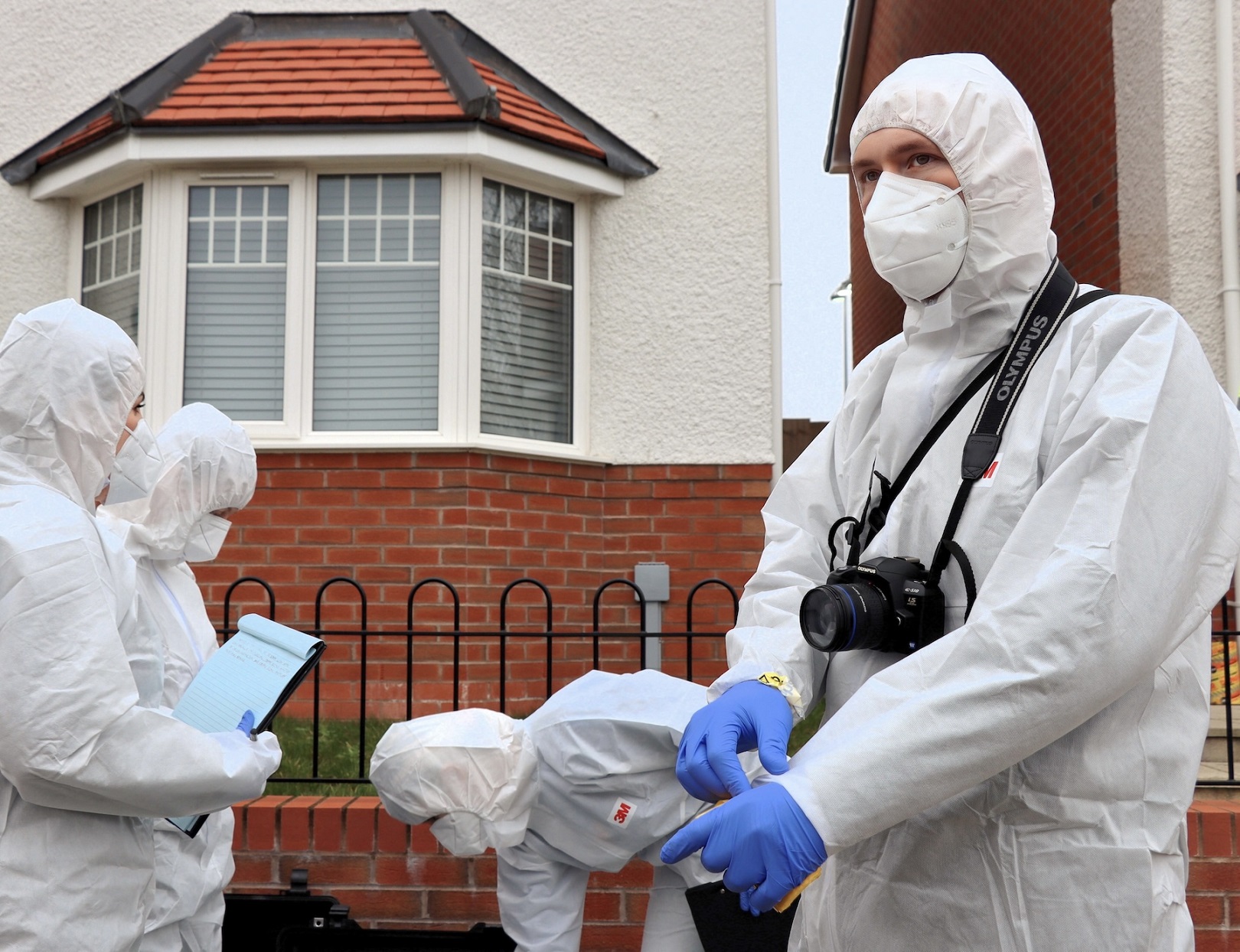
Learn the science behind crime scene investigation. Gain hands-on experience in forensic analysis, laboratory techniques, and expert witness training. With access to specialist forensic facilities, including Wales’ only decomposition research facility, you'll develop key forensic skills for a range of careers.
You will:
- Gain hands-on experience in crime scene investigation and laboratory analysis
- Be taught by experienced forensic scientists and academics
- Have access to specialist forensic facilities, including a crime scene house, forensic laboratories, and Wales’ only decomposition research facility
- Have opportunities to engage with industry professionals through guest lectures and events
- Access cutting-edge forensic equipment, including fingerprint analysis tools, entomology resources, and 3D scanning technology
- Have the opportunity to join professional bodies such as the Chartered Society of Forensic Sciences (student membership available)
You can also choose to study this degree with a foundation year BSc (Hons) Forensic Science (with Foundation Year) (4 years) or with Industrial Placement year BSc (Hons) Forensic Science (with Industry Placement) (4 years)
Key course features
- Covers forensic topics such as evidence handling, forensic toxicology, and forensic archaeology.
- The course uses real-world case studies, simulated crime scenes, and courtroom-style assessments to develop expert witness skills.
- Work-related learning opportunities for all students as well as a dedicated placement year for students electing this pathway as well as opportunities to collaborate and network with researchers and practitioners from a variety of specialisms.
- Small class sizes and personalised academic support .
What you will study
YEAR 1 (LEVEL 4)
Your first year introduces you to the fundamental principles of forensic science, including crime scene investigation, laboratory techniques, and legal procedures. You will develop essential scientific and analytical skills, learning how to handle forensic evidence, interpret chemical and biological data, and apply statistical methods. This year lays the foundation for advanced forensic techniques in later years.
MODULES
- Essential Laboratory Skills: Strong laboratory skills are essential in forensic science. This module introduces you to key techniques in chemical and biological analysis, focusing on safe laboratory practices, contamination avoidance, and quality control. You will learn how to use laboratory equipment, perform qualitative and quantitative tests, and record experimental data accurately. Practical sessions will develop your ability to analyse chemical compounds, identify unknown substances, and extract DNA. Through laboratory reports and structured assessments, you will improve your scientific writing and analytical skills, preparing you for more advanced forensic investigations.
- Cell Biology, Biochemistry & Genetics: Biological evidence plays a crucial role in forensic investigations. This module explores cell structure, biochemical reactions, and genetic analysis, focusing on forensic applications. You will study DNA structure, gene expression, and biochemical techniques used in forensic science, such as PCR, gel electrophoresis, and protein assays. Practical sessions will help you develop skills in microscopy, DNA extraction, and molecular analysis. You will also learn how biological evidence is preserved, analysed, and presented in forensic cases, giving you a strong foundation in forensic biology.
- Introduction to Chemistry: Chemistry is a key component of forensic science, helping to identify and analyse chemical substances found at crime scenes. This module covers fundamental chemistry principles, including atomic structure, chemical bonding, reactions, and quantitative analysis. You will explore organic, inorganic, and analytical chemistry while learning how forensic scientists apply these concepts to toxicology, drug identification, and materials analysis. Hands-on practical sessions will help you develop essential problem-solving skills and chemical analysis techniques, ensuring you are confident in handling and interpreting forensic chemical data.
- Maths & Statistics for Science: Forensic science relies on accurate data interpretation and statistical analysis. This module introduces you to mathematical concepts, probability, and statistical methods used in forensic investigations. You will learn how to analyse forensic data, interpret graphs, calculate probabilities, and conduct statistical tests. The module also covers scientific notation, algebra, and regression analysis, giving you the skills to handle numerical forensic evidence effectively. Practical exercises will focus on real-world forensic applications, ensuring you are confident in using maths and statistics in forensic science.
- Crime Scene Investigation: Crime scenes are the starting point of forensic investigations, and this module teaches you how to locate, collect, and document physical evidence. You will gain hands-on experience in crime scene processing, forensic photography, evidence recovery, and contamination prevention. Practical sessions will introduce you to fingerprint collection, trace evidence recovery, and footwear impression analysis. You will also learn how to document crime scenes using sketches, notes, and digital records, ensuring evidence is preserved and presented in line with forensic best practices and legal standards.
- Criminal Justice: Understanding the criminal justice system is essential for forensic scientists. This module explores legal frameworks, police procedures, and the role of forensic evidence in court. You will study the structure of the legal system, courtroom procedures, and suspect management, learning how forensic evidence is used to support criminal investigations. The module also covers arrest and detention laws, suspect rights, and evidence admissibility. You will analyse case studies to understand how forensic science interacts with legal processes, preparing you for work in forensic investigations, law enforcement, and the justice system.
YEAR 2 (LEVEL 5)
In your second year, you will deepen your forensic knowledge, focusing on advanced laboratory techniques, forensic ecology, and the management of forensic evidence. You will develop critical analytical skills, learning how to evaluate and interpret forensic data accurately.
MODULES
- Forensic Evidence & Quality Management: Handling forensic evidence correctly is crucial to any investigation. In this module, you will learn how to preserve, analyse, and record forensic evidence while following strict quality management procedures. You will explore industry standards such as ISO 17025, gaining hands-on experience in laboratory techniques used to recover, test, and document biological, chemical, and physical trace evidence. The module also covers chain of custody procedures, contamination avoidance, and forensic documentation, ensuring you develop the skills required for forensic casework.
- Forensic Ecology: Forensic ecology examines how environmental evidence, such as soil, pollen, and insects, can assist in criminal investigations. You will learn how to identify and analyse ecological evidence, linking it to crime scenes or timelines of events. This module introduces forensic botany, entomology, and limnology, with practical exercises in evidence collection, analysis, and interpretation. You will also follow a simulated case from crime scene to court, developing skills in forensic reporting and ecological evidence preservation.
- Anatomy & Pathology: Understanding human anatomy and pathology is essential for forensic investigations. This module introduces key anatomical structures, types of injuries, and post-mortem examination techniques. You will explore different causes and manners of death, such as homicide, accidental death, and suicide, learning how forensic pathologists determine trauma patterns and time of death. Practical sessions will focus on identifying injuries, tissue examination, and forensic photography .
- Analytical Methods in Applied Science: Chemical analysis is fundamental to forensic investigations. This module introduces chromatographic, spectroscopic, and electrophoretic techniques used to analyse trace materials such as drugs, explosives, and fibres. You will explore how analytical methods are applied in arson investigations, toxicology, and controlled substance identification. Through practical workshops, you will develop quantitative analysis and data interpretation skills, preparing you for forensic laboratory work.
- Research Methods: This module prepares you for your final-year research project by developing essential academic and scientific research skills. You will learn how to formulate research questions, design experiments, collect and analyse data, and apply ethical considerations. The module also introduces risk assessment, project management, and research proposal writing, ensuring you are equipped to carry out independent forensic research.
- Taphonomy: Taphonomy is the study of how human remains decompose in different environments. You will explore decomposition processes, preservation conditions, and post-mortem interval estimation. Using Wales' only decomposition research facility, you will conduct hands-on analysis of decomposition patterns, burial environments, and scavenger activity. The module also covers forensic dating techniques and ethical considerations in human decomposition research.
YEAR 3 (LEVEL 6)
Your final year focuses on advanced forensic techniques, professional practice, and real-world case studies. You will develop expert witness skills, learning how to present forensic evidence in a courtroom setting. A major research project will allow you to explore a forensic topic of your choice.
MODULES
- Research Project: In this independent research module, you will apply the knowledge and skills gained throughout your degree to investigate a forensic science topic of your choice. You will develop a research question or hypothesis, design and conduct experiments, and critically evaluate data. This module also includes statistical analysis, literature review, and academic writing. You will present your findings in a dissertation and an academic poster, preparing you for future research or professional forensic roles .
- Drugs & Toxicology: This module explores the chemistry, classification, and analysis of drugs and poisons in forensic and bioscience contexts. You will examine how drugs are administered, metabolised, and detected in biological samples, using toxicological screening techniques. You will also critically assess sampling methods, forensic case studies, and the role of toxicologists in legal investigations. Practical exercises will include chemical and biological analysis of controlled substances.
- Case Studies in Forensic Science: Using real and historical forensic cases, you will analyse the reliability and validity of forensic evidence. This module focuses on critical thinking and problem-solving, examining how forensic techniques have evolved and their impact on criminal justice. You will review major incidents such as murder, terrorism, and mass fatalities, exploring forensic breakthroughs and challenges like the CSI effect and miscarriages of justice. Assessments include a podcast-style case analysis and an annotated bibliography .
- Forensic Archaeology: This module introduces techniques for locating, excavating, and analysing human remains and buried evidence. You will learn about forensic excavation, stratigraphy, geophysics, and surveying methods. Ethical considerations and legal frameworks in mass grave recovery and human rights investigations will also be explored. Practical sessions will involve crime scene searches and simulated forensic digs, preparing you for real-world forensic recovery work .
- Professional Practice & the Expert Witness: In this module, you will gain practical experience in forensic testimony. You will learn about expert witness responsibilities, admissibility of evidence, and forensic regulations. You will write an expert witness report and defend your findings in a mock courtroom cross-examination. The module also covers Bayesian statistics, forensic report writing, and Welsh language requirements in legal proceedings. In this module, you will gain practical experience in forensic testimony. You will learn about expert witness responsibilities, admissibility of evidence, and forensic regulations. You will write an expert witness report and defend your findings in a mock courtroom cross-examination. The module also covers Bayesian statistics, forensic report writing, and Welsh language requirements in legal proceedings.
This summer, you can gain the fundamental scientific knowledge and skills needed to progress onto one of our Applied Science degrees, with our Science Summer School.
The information listed in this section is an overview of the academic content of the programme that will take the form of either core or option modules. Modules are designated as core or option in accordance with professional body requirements and internal academic framework review, so may be subject to change.
Entry requirements & applying
The academic requirements for the course are 96-112 UCAS tariff points at GCE A-level or equivalent, including a science (biology or chemistry) at level 3.
If you don’t have Science at Level 3, then we would recommend the Science Summer School.
Teaching & Assessment
How you’ll be taught
You will learn through a combination of lectures, practical lab sessions, workshops, and interactive seminars, ensuring you develop both theoretical knowledge and hands-on forensic skills. Teaching is delivered through:
- Lectures: Covering core forensic science principles, case studies, and legal frameworks.
- Laboratory Sessions: Hands-on experience in crime scene investigation, forensic analysis, and evidence processing.
- Workshops & Seminars: Interactive discussions on forensic casework, ethical considerations, and real-world applications.
- Fieldwork: Simulated crime scene investigations and forensic recovery exercises in controlled environments.
- Independent Study: Self-directed learning supported by digital resources, research tasks, and guided reading materials.
A typical week includes around 12-16 hours of scheduled teaching (lectures, labs, and workshops), with additional independent study and assessments.
How you’ll be assessed
Assessment is designed to mirror real-world forensic practice, ensuring you develop skills in scientific analysis, evidence handling, and legal reporting. Assessments include:
- Practical Lab Work: Demonstrating forensic techniques in controlled environments.
- Crime Scene Reports: Documenting and analysing evidence from simulated crime scenes.
- Essays & Written Assignments: Researching forensic topics and case studies.
- Exams & In-Class Tests: Assessing your understanding of forensic science principles and applications.
- Research Project & Dissertation: Conducting an independent forensic investigation.
- Expert Witness Testimony: Presenting forensic evidence in a mock courtroom setting.
- Podcasts & Presentations: Communicating forensic findings through multimedia formats.
Assessments are designed to be varied and engaging, ensuring you develop scientific, analytical, and professional communication skills relevant to forensic careers.
Teaching and Learning
We offer workshops and support sessions in areas such as academic writing, effective note-making and preparing for assignments.
Students can book appointments with academic skills tutors dedicated to helping deal with the practicalities of university work. Our student support section has more information on the help available.
In terms of particular needs, the University’s Inclusion Services can provide appropriate guidance and support should any students require reasonable adjustments to be made because of a recognised prevailing disability, medical condition, or specific learning difference.
Career prospects
Our dedicated Careers and Employability team is committed to helping you achieve your professional goals. They provide personalised advice, useful resources, and extracurricular employability events to prepare you for the job market.
Graduates of this course can pursue careers in:
- Forensic science – Analysing biological, chemical, and physical evidence in forensic laboratories to support criminal investigations. You may specialise in areas such as DNA analysis, trace evidence, or forensic chemistry.
- Crime scene investigation – Attending crime scenes to collect, document, and preserve evidence. You will work closely with forensic laboratories and law enforcement agencies to reconstruct events and link evidence to suspects.
- Toxicology – Identifying and analysing drugs, poisons, and toxins in biological and environmental samples. Toxicologists work in forensic casework, pharmaceutical development, environmental monitoring, and drug safety.
- Policing and forensic support roles – Working in law enforcement where forensic science training is beneficial. This could include exhibits officers, who manage and maintain forensic evidence, fingerprint analysts, who specialise in fingerprint comparison and identification, or digital forensics teams, who recover and analyse electronic evidence from computers, mobile devices, and online sources.
- Mortuary practice – Assisting forensic pathologists in post-mortem examinations, collecting forensic samples, and documenting findings for criminal investigations and medical research.
- Quality control and laboratory science – Conducting scientific testing in food safety, environmental monitoring, medical diagnostics, and industrial quality control to ensure products and processes meet regulatory standards.
- Anthropology and archaeology – Locating, excavating, and analysing buried and concealed forensic or historical evidence. This includes searching for clandestine graves, excavating mass burial sites, or uncovering historical artefacts that provide insight into past civilisations or forensic investigations.
- Analytical chemistry – Performing chemical testing for pharmaceuticals, materials science, environmental health, and forensic applications. You may analyse toxic substances, pollutants, or chemical compounds used in industry and crime investigations.
- Search dog handling – Training and deploying dogs to assist in locating human remains, missing persons, explosives, drugs, or environmental hazards. Search dogs are used in law enforcement, forensic investigations, and disaster response.
- Regulatory science and compliance – Ensuring industries such as healthcare, environmental protection, and forensic science adhere to legal and scientific standards. This includes product safety, ethical compliance, and laboratory accreditation.
- Science communication and public engagement – Translating forensic and scientific concepts for media, education, museums, consultancy, or outreach programmes. You may work as a science journalist, forensic educator, or public engagement specialist, making complex topics accessible to wider audiences.
Additionally, you may choose to further your expertise through postgraduate studies. Explore our postgraduate courses for more information.
Fees & funding
You do not have to pay your tuition fees upfront.
The fees you pay and the support available will depend on a number of different factors. Full information can be found on our fees & finance pages. You will also find information about what your fees include in the fee FAQs.
All fees are subject to any changes in government policy, view our undergraduate fees.
For international students looking to study this course please see our international fees.
Accommodation
At Wrexham University, we offer on-campus en-suite rooms within our Wrexham Student Village. These private, fully furnished spaces are conveniently located, providing easy access to campus facilities, study areas, and social spaces. Plus, you’re just a 10-minute walk from the city centre!
With all bills included, free Wi-Fi, 24/7 security, and large social areas, you’ll find everything you need for a great student experience.
Explore our student accommodation options to find your perfect home away from home.
International
This course is open to international students, for information about the university’s entry requirements for EU/international students, please visit our international section.
Apply Now
To apply for an undergraduate place, you need to apply through UCAS (Universities and Colleges Admissions Service) who will pass on your application to us. By clicking apply through UCAS you acknowledge you will be taken to a third-party website.
Wrexham University's UCAS Institution code is G53
The UCAS Code for this course is F412.
To apply for a Part-Time undergraduate place you need to apply directly with us.
Don't Miss Out on Visiting Us.
Whether you have applied through Clearing or you're considering applying, you can still join us at our next Open Day. Meet our academics, chat with current students and explore our campus. This is your chance to picture your future here.
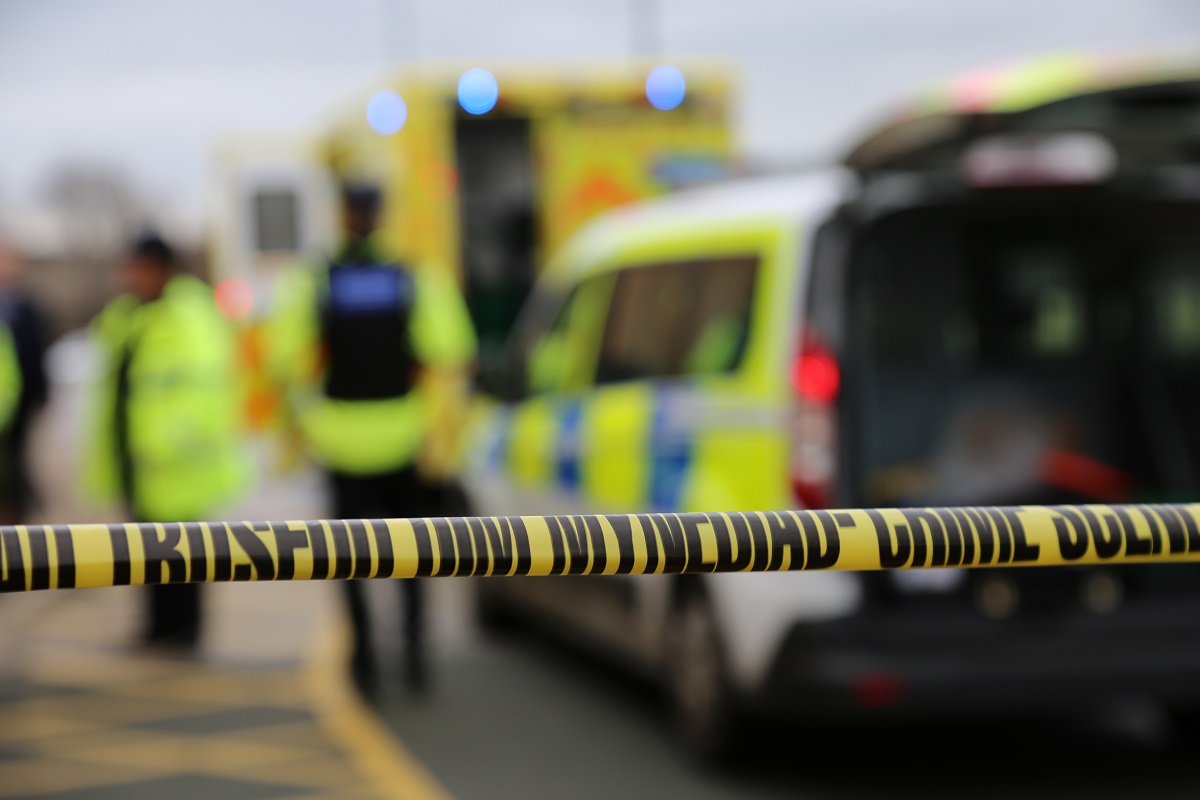
Take part in our annualreal-time training exercise
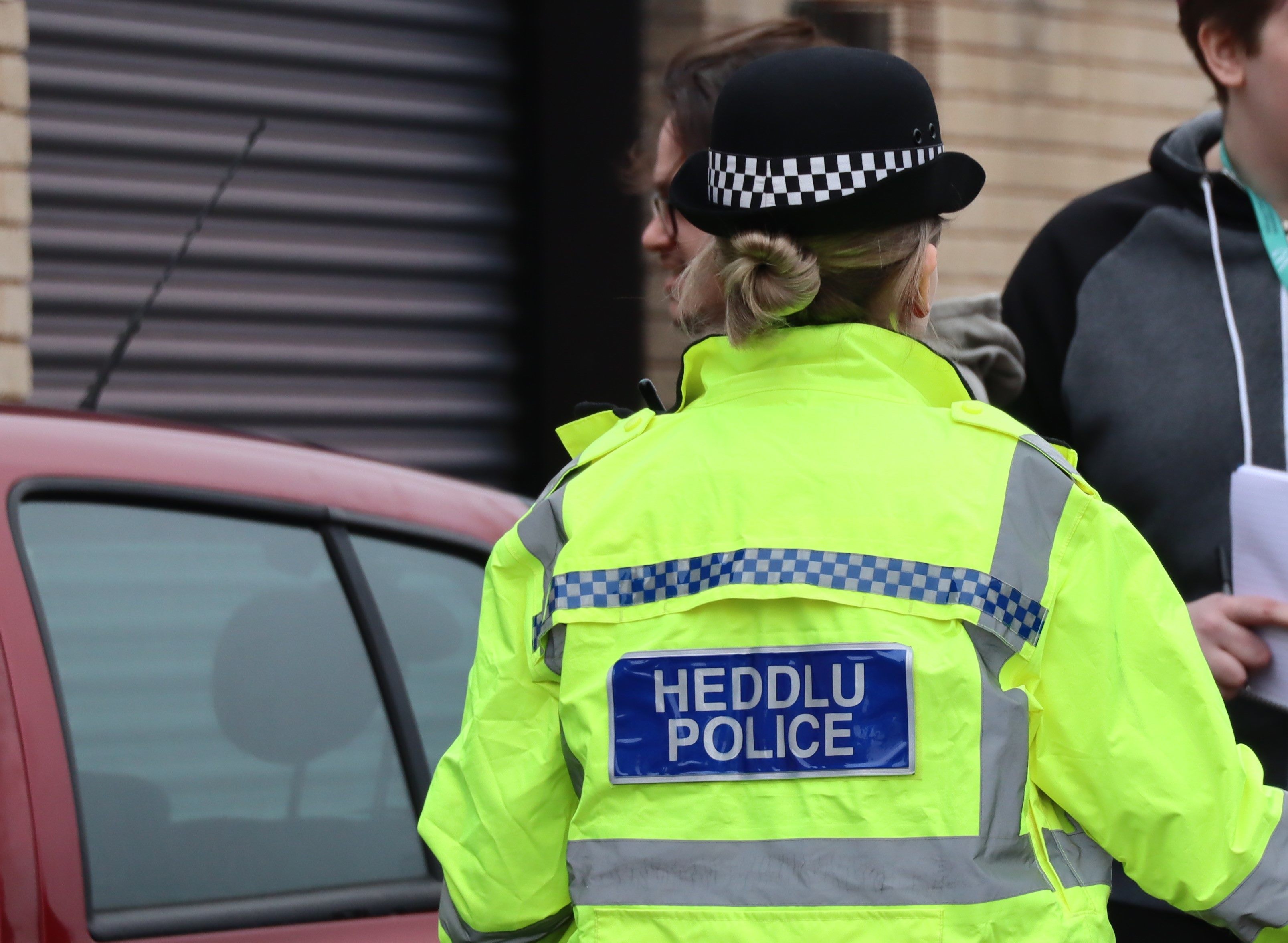
A high-profile Major Incident Day learning simulation is held each year, with students from a range of courses acting out, witnessing, investigating and reporting on a high-profile crime on campus
.jpg)

.jpg)